


Remote viewing is the practice of attempting to describe a distant or hidden target without using the ordinary senses. It attracts people who are curious about intuition, consciousness and what may lie beyond everyday perception. Its history includes government-funded research, but it has not been established as a reliable extrasensory ability.
At Star Magic, that curiosity sits within a wider exploration of consciousness, connection and personal growth. Founded by Jerry Sargeant, Star Magic offers meditation, energy healing and a community for people who want to explore their inner world. This guide explains remote viewing, separates practitioner beliefs from established evidence, and introduces Infinity as a way to bring that curiosity into a regular spiritual practice.

In remote viewing, a practitioner attempts to record impressions of a person, place, object or event that is hidden from ordinary observation. Sessions may involve written descriptions and sketches, usually made before the target is revealed.
Practitioners describe remote viewing as a skill that can be explored through training and repeated exercises. People differ in how they experience these exercises, and participation does not guarantee accurate information or the development of psychic abilities.
Research into remote viewing has produced disputed interpretations. It is useful to distinguish an interesting personal experience from evidence that information was obtained beyond the senses. Careful records, blind targets and honest feedback matter more than confidence in an impression.
Reported impressions can include images, sounds, textures or feelings. These are descriptions of practitioners’ experiences, rather than confirmation that a distant target has been perceived.
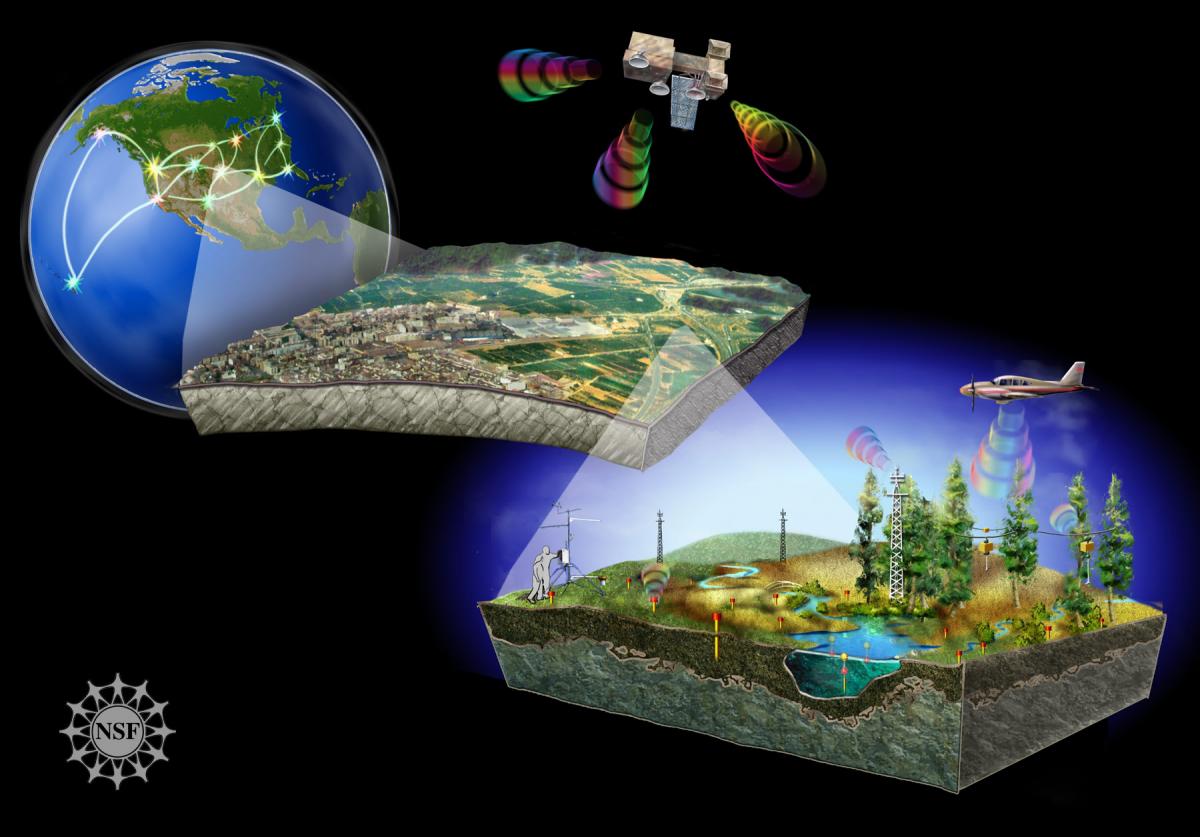
Remote viewing and remote sensing both concern information about something at a distance, but they use very different methods. Remote sensing is a technical field based on measurements made by instruments.
Remote sensing uses sensors carried by platforms such as drones, aircraft and satellites to measure reflected or emitted energy. Its applications include mapping, environmental monitoring and observing the Earth.
Remote viewing, by contrast, involves subjective impressions that practitioners attribute to perception beyond the ordinary senses. Instrument readings and personal impressions should not be treated as equivalent forms of evidence.
Spiritual teachings sometimes describe consciousness as interconnected. At Star Magic, readers can explore such ideas as part of a spiritual worldview, while keeping a clear distinction between personal meaning and scientifically verified information.

In a typical remote-viewing exercise, a viewer is asked to describe a target without being given identifying details. The target might be a photograph, an object or a location.
Some methods use a reference code rather than a descriptive name. Keeping the viewer unaware of the target is intended to reduce ordinary clues and expectations. Notes should be completed before any feedback is given.
Remote viewing is associated with claims of clairvoyance and other forms of extrasensory perception. Calling it a structured discipline describes its procedures; it does not establish that the claimed ability exists.
For readers drawn to the experiential side, the useful starting point is learning to observe thoughts and impressions without immediately turning them into conclusions. This also creates a natural connection with Star Magic’s emphasis on regular inner exploration.
Remote viewing and astral projection are often discussed together because both are associated with experiences beyond ordinary physical perception. However, they are generally considered different practices.
Remote viewing focuses on obtaining information about a specific person, place, object, or event without relying on the normal physical senses. The practitioner usually remains physically present while attempting to perceive information about the target.
Astral projection is traditionally described as an out-of-body experience in which a person’s consciousness is believed to travel or explore beyond the physical body.
Some spiritual practitioners may associate the two practices, but they are not necessarily the same experience. Remote viewing focuses primarily on gathering information about a target, while astral projection is more commonly associated with an out-of-body experience.
The modern remote-viewing programmes discussed here developed within twentieth-century research into extrasensory perception. Earlier spiritual traditions explored visions and intuition, but those traditions should not be confused with the later research protocols.
In the 1970s, researchers at Stanford Research Institute investigated remote viewing with U.S. government support. These projects examined whether descriptions of hidden or distant targets could have intelligence applications.
Training methods and experimental procedures developed over time. The existence of this research documents sustained interest in the subject; it does not demonstrate that everyone can learn to obtain reliable extrasensory information.
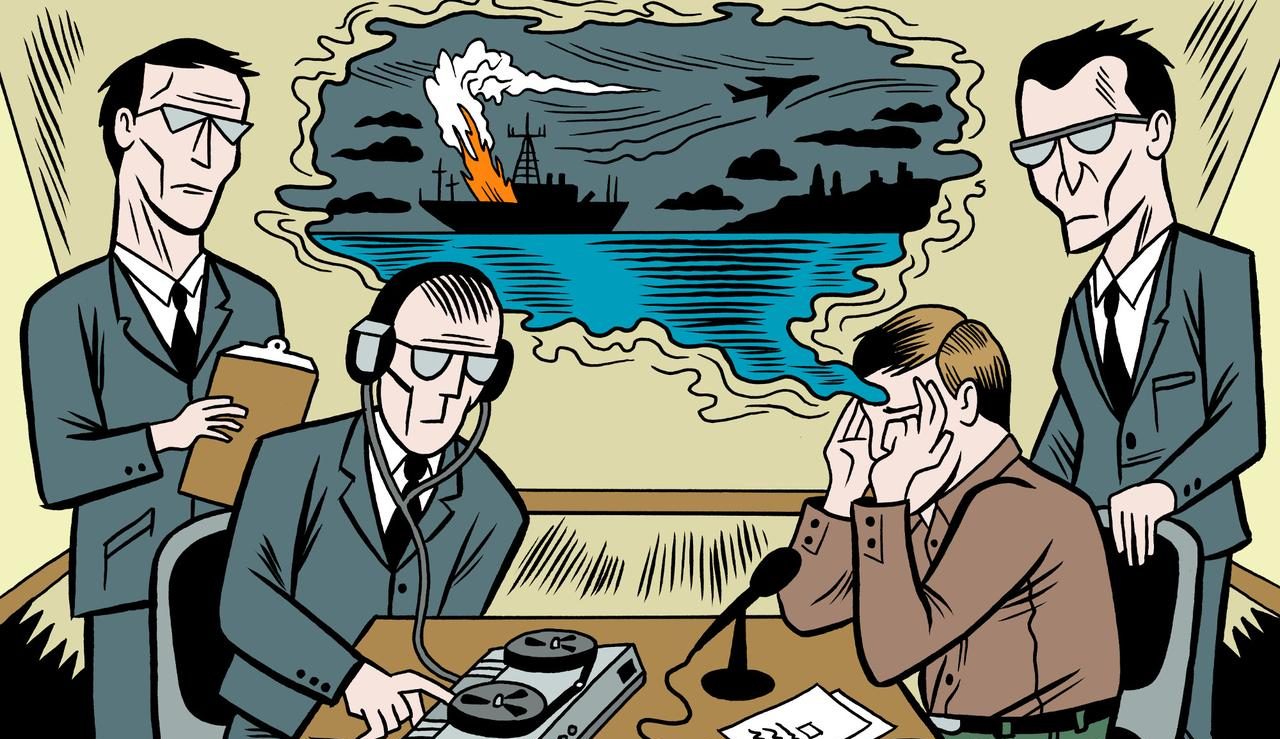
Stargate is commonly used to refer to a series of U.S. government programmes investigating remote viewing and related claims. Research began in the 1970s, and an independent evaluation was commissioned when the programme returned to the CIA in 1995.
The programme’s history remains a source of fascination because intelligence agencies investigated an unconventional possibility. Government interest is part of that history, rather than an endorsement of modern spiritual teachings or commercial training.

Researchers used procedures intended to reduce ordinary information leakage and compare viewers’ descriptions with targets. Evaluating whether descriptions were specific, reliable and useful was central to the programme’s practical assessment.
The 1995 evaluation did not justify continued operational use. The CIA’s historical account describes the results as too inconsistent and unreliable for intelligence work, and the agency did not restore the programme. That conclusion leaves room for personal curiosity while setting a clear limit on claims of proven practical accuracy.
Whether remote viewing is considered legitimate depends on what is meant by “legit”. Remote viewing has been investigated through parapsychological experiments and government-sponsored research, including programmes associated with the Stargate Project.
Some researchers and practitioners have interpreted certain results as evidence of unusual information gathering. For practitioners, remote viewing is considered a structured skill that can be developed through training and practice.
It is therefore useful to distinguish between the documented history of remote-viewing research, the experiences reported by practitioners, and the scientific question of whether those experiences demonstrate genuine extrasensory perception.

Practitioners typically begin with a target reference, settle their attention, and record impressions before trying to interpret them. Notes and sketches are then compared with the revealed target. This describes the process used, rather than a proven mechanism for extrasensory perception.
Some spiritual explanations propose a shared field of consciousness or an interconnected web of information. These are interpretations within particular belief systems, not established scientific explanations. There is no dependable accuracy percentage that readers should assume for their own sessions.
A useful distinction is between noticing an impression and deciding what it means. Record what comes to mind, then assess it against specific feedback. A vivid experience can feel meaningful without being an accurate description of the target.
Keep exploratory exercises simple and low stakes. A hidden photograph is more suitable than questions about another person’s private life or consequential decisions. Impressions should not be relied on for medical, financial, legal or missing-person decisions.
If you are new to remote viewing, start by choosing a quiet place where you can concentrate without distractions. Take a few moments to relax and settle your attention before beginning.
Ask someone else to choose a photograph and place it inside an opaque envelope without giving you clues. Record your notes before opening it. A genuinely hidden target makes comparison more useful than an exercise where you already know what to expect.
Write down your first impressions, including shapes, colours, textures, sounds, temperatures, or feelings that come to mind. Avoid judging whether an impression is correct while you are recording it.
Make simple sketches if helpful, then reveal the target and compare it with your original notes. Record misses as carefully as apparent matches, avoid broad reinterpretations, and repeat with different targets. Familiarity with the exercise is not itself evidence of extrasensory ability.
If you would like guided support for a regular meditation practice alongside this exploration, Infinity offers an introduction to the wider Star Magic experience. Begin with a guided meditation, keep a short reflection journal, and notice what the practice means for you without expecting a particular result.
Remote viewing techniques can vary between practitioners, but many approaches focus on receiving and recording information before attempting to interpret it. One common approach is to use a blind target, where the viewer does not know what the target is before the session.
Recording first impressions is another important technique. Viewers may note colours, shapes, textures, sounds, temperatures, emotions, or other sensory impressions without immediately deciding what they mean.
Sketching can also help capture information that may be difficult to describe with words. Some practitioners use sketches alongside written notes to record their impressions.
Coordinate Remote Viewing (CRV) is a structured approach associated with remote-viewing research and training. Different practitioners may use different methods, so techniques and experiences can vary.
One common mistake is overanalysing impressions too early. Trying to explain or interpret every sensation immediately can make it harder to record your initial observations clearly.
Another mistake is trying to force a particular result. Remote viewing practice is generally approached with an open mindset rather than attempting to produce a specific answer.
Confirmation bias can also affect how people interpret their results. Recording impressions before seeing the target can help reduce the temptation to adjust observations afterwards.
Unrealistic expectations can make the experience frustrating, especially for beginners. Remote viewing should be approached as a practice rather than expecting every session to produce accurate or detailed information.
Remote viewing is generally described by practitioners as a mental or perceptual practice rather than a physically invasive activity. However, people can have different experiences during meditation, visualisation, and focused awareness.
Some individuals may experience fear, anxiety, confusion, or difficulty distinguishing imagination from perceived impressions, particularly when approaching the practice with strong expectations.
Beginners can approach remote viewing gradually and maintain a grounded mindset. It is also important to treat impressions as personal experiences rather than established facts.
Whether remote viewing conflicts with your beliefs depends on your religious tradition and personal convictions. Some faith communities object to practices they associate with divination; others take a different view.
You do not need to set aside your values to read about consciousness or explore meditation. Choose practices that fit your beliefs, and seek guidance from someone you trust within your tradition if you are unsure.
Star Magic presents its work through a spiritual perspective. Readers can engage with that perspective thoughtfully and decide which elements, if any, resonate with their own understanding.
Curiosity and discernment can sit together. You can learn about an unfamiliar practice, ask questions and make your own decision about whether to explore further.
An interest in remote viewing often begins with a wider question: is there more to awareness than the thoughts and habits we notice each day? Star Magic invites you to explore that question through experience, reflection and regular practice. Jerry Sargeant’s approach brings together meditation, spiritual teachings and energy healing within the Star Magic community.
Infinity is Star Magic’s subscription membership and a practical place to begin exploring this wider approach. It brings together guided meditations, breathwork, live community sessions and teachings, with access depending on the membership selected. The value for a curious reader is having somewhere to return, rather than moving from one intriguing article to the next without making space to practise.
Try beginning with one meditation and a few minutes of reflection. What held your attention? How did the experience feel? What questions would you like to explore next? You do not need to adopt every spiritual explanation before deciding whether a practice is meaningful to you.
Infinity is presented here as a home for ongoing Star Magic practice, rather than a promise of remote-viewing accuracy. Its appeal is the opportunity to explore, build consistency and connect with others who share an interest in consciousness and personal growth.
Explore the Infinity membership to see the current practices, membership options and access details.
Remote viewing is one doorway into a much broader conversation about intuition and consciousness. You can stay open to that conversation while evaluating evidence carefully and keeping your own judgement.
If this article has sparked your curiosity, discover Star Magic and Jerry’s approach, or explore Infinity to find a practice you would like to try. Start with something simple, reflect on your experience, and let that guide whether you want to go deeper.
Remote viewing is a practice associated with extrasensory perception. Practitioners attempt to gather information about a distant or hidden person, place, object or event without using their normal physical senses.
No. Remote viewing focuses on gathering information about a specific target while remaining physically present. Astral projection is traditionally described as an out-of-body experience involving the exploration of places beyond the physical body.
Remote viewing has been investigated through parapsychological experiments and government programmes such as Stargate. However, mainstream science has not established it as a reliable method of obtaining information through extrasensory perception.
Remote viewing is generally described as a mental or perceptual practice. Some people may experience fear, anxiety or confusion, so beginners should remain grounded and treat impressions as personal experiences rather than established facts.
Whether remote viewing is considered a sin depends on a person’s religious tradition and beliefs. Some faith communities may object to practices associated with divination or psychic abilities, while others interpret them differently.
Infinity offers a way to explore Star Magic’s wider approach to consciousness through guided meditations, breathwork, teachings and community. Readers interested in intuition may find it a useful place to begin a regular spiritual practice. Membership does not establish or guarantee remote-viewing ability.